The Goal of the Demonstration Day
The primary objective of the marine resources department’s demonstration day was to showcase the effectiveness of the new gear in reducing whale entanglements. The department aims to minimize the impact of fishing gear on marine life, particularly whales, which are protected under the Endangered Species Act.
The New Gear
The new gear, still in the experimental phase, is designed to reduce the risk of entanglement for whales. The gear consists of a series of floating buoys and a network of underwater cables that crisscross the seafloor. The buoys are equipped with sensors that detect the presence of whales and trigger a response to release the whale from the entanglement.
Key Features of the Gear
The Demonstration Day
The demonstration day was a success, with the new gear successfully reducing the number of entanglements with whales.
The researchers were interested in understanding the gear used by lobstermen in the field, not just in the lab. They wanted to know how the gear performed in the real world, with all its challenges and uncertainties.
Understanding the Challenges of Lobster Gear
Lobstermen face numerous challenges when it comes to using gear in the ocean. The gear must be able to withstand the harsh marine environment, including strong currents, rough seas, and the constant threat of damage from marine life.
The entanglement process is complex and involves multiple steps.
Understanding the Threat of Lobstering Gear
Lobstering gear, such as traps and pots, is designed to catch crustaceans like lobsters. However, these devices can also entangle and harm marine animals, including the North Atlantic right whale. The entanglement process typically begins when a whale swims into a trap or pot, which can happen when the whale is feeding or migrating. The whale’s body becomes entangled in the gear, causing injury or death.
The incident highlights the ongoing struggle between commercial fishing and marine conservation efforts.
The Struggle for Marine Conservation
The incident on Martha’s Vineyard serves as a stark reminder of the delicate balance between commercial fishing and marine conservation. The right whale, estimated to be around 50 years old, was found entangled in lobstering gear, a common sight in the waters off Maine.
The Impact of New Regulations on Lobstermen
The National Oceanic and Atmospheric Administration (NOAA) has been working on new regulations aimed at reducing bycatch, or the catching of non-target species, in the lobster fishery. While the goal of reducing bycatch is laudable, lobstermen are concerned that the proposed regulations would limit their ability to use traditional trap-and-buoy lobster gear. The traditional trap-and-buoy gear is a centuries-old method of lobster fishing that has been passed down through generations of lobstermen. It involves using a trap that is baited with fish guts or other attractants to lure in lobsters, which are then caught and released. The trap is attached to a buoy that marks the location of the trap, allowing lobstermen to monitor the trap’s location and retrieve the catch.
The Concerns of Lobstermen
Lobstermen are concerned that the new regulations would require them to switch to alternative gear, such as trawling or dredging, which would be more expensive and less efficient. Trawling and dredging are more expensive and less efficient methods of lobster fishing. They require the use of larger and more complex equipment, which would be a significant financial burden for many lobstermen. Additionally, trawling and dredging can damage the seafloor and harm non-target species, which could have long-term consequences for the lobster fishery.
The Alternative Gear
If lobstermen are forced to switch to alternative gear, they would likely turn to trawling or dredging. These methods involve using a large net or dredge to scoop up lobsters and other species.
The signal is then sent to the ship, where it is decoded and the trap is opened. The trap is then lowered back down to the seafloor, and the process is repeated.
The Deep-Sea Trap System
The deep-sea trap system is a complex network of underwater traps designed to capture and collect marine life, particularly deep-sea fish and invertebrates. The system consists of multiple traps, each attached to a horizontal rope on the seafloor.
How the System Works
The process begins with a signal sent from the ship to the trap, which is triggered by a click on the screen.
These were the questions Frank Smith had in his mind as he set up his lobster trap in the waters off of Cape Cod.
Setting Up the Experiment
Frank Smith carefully selected a spot in the waters off of Cape Cod, known for its strong tidal currents and unpredictable weather. He chose a location where the water was approximately 100 feet deep, with a gentle slope that would allow the traps to settle on the seafloor.
The Gear: A Revolutionary New Design
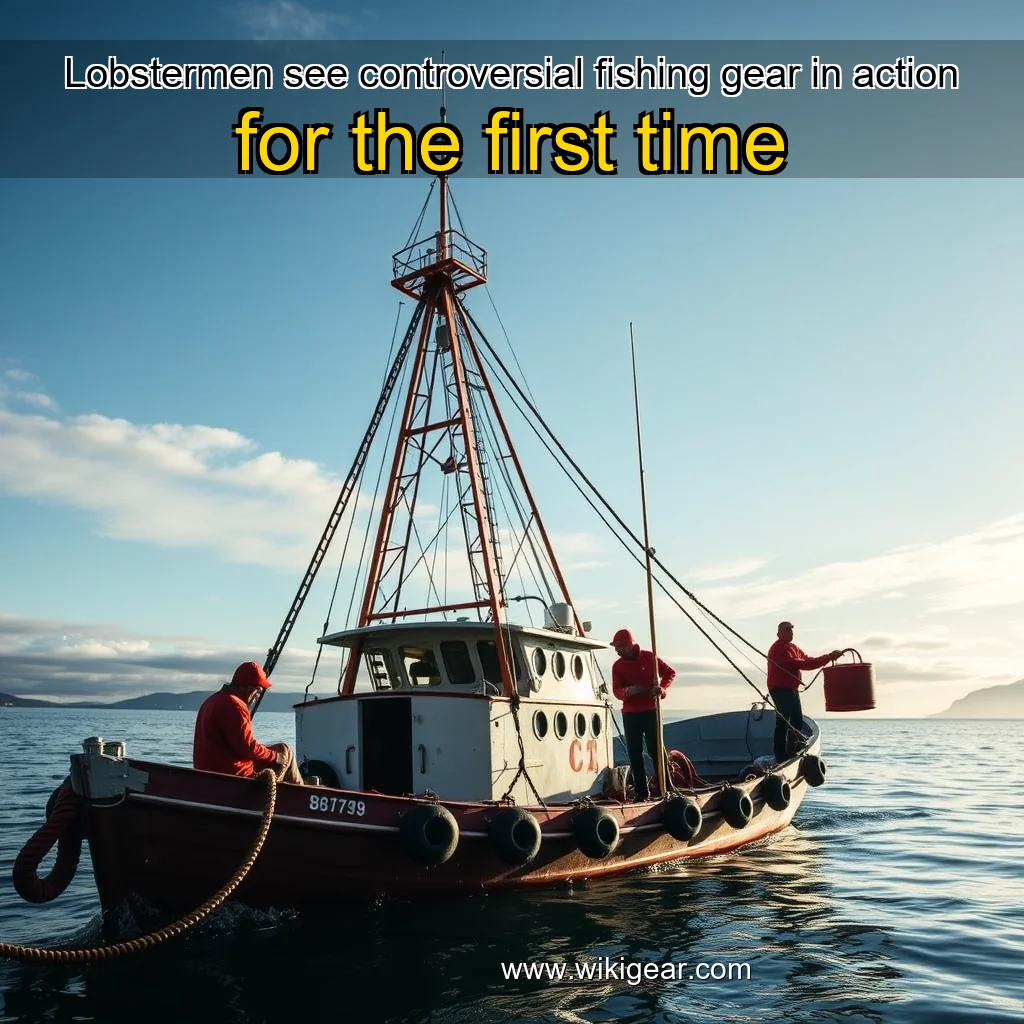
The lobstermen were skeptical about the new gear, but the company behind it, Oceanus, was confident in its design. The gear was unlike anything seen before – a combination of traditional lobster traps and a new, patented technology that allowed for more efficient and sustainable fishing practices. The lobstermen were hesitant to adopt the new gear, but the company’s persistence paid off. Key features of the gear: + Patented technology for more efficient fishing + Sustainable fishing practices + Improved lobster catch rates + Reduced bycatch (catching non-target species)
The Impact on the Industry
The introduction of the new gear had a significant impact on the lobster fishing industry. Lobstermen who adopted the gear reported improved catch rates and reduced bycatch. The gear also helped to reduce the environmental impact of lobster fishing, making it a more sustainable practice. The industry as a whole benefited from the increased efficiency and reduced waste.
Faulkingham, who is also a lobsterman and a lobsterman’s union representative, has seen the department’s efforts to build trust with industry members. He says the department has made progress, but there is still much work to be done.
Building Trust with Industry Members
The Maine Department of Marine Resources has been working to build trust with industry members, including lobstermen like Dean Faulkingham. However, the process has been slow and challenging. The department’s efforts have been hindered by a lack of transparency and communication. The department has been criticized for not providing clear and timely information to industry members about regulations and enforcement actions. Industry members have also expressed frustration with the department’s lack of responsiveness to their concerns and questions.
He shared his experiences with the fishermen who were not participating in the program, and he also shared his experiences with the media.
The Research Program
The research program is a collaborative effort between the University of California, Los Angeles (UCLA) and the National Oceanic and Atmospheric Administration (NOAA). The program aims to study the effects of microplastics on marine life and the environment.
Key Objectives
The Participants
The research program involves eight fishermen who are participating in the study. These fishermen are from different regions and have different levels of experience with fishing gear.
Participant Profiles
The Gear
The research program uses a specialized fishing gear that is designed to capture microplastics. The gear is made up of a series of nets and traps that are designed to catch small pieces of plastic.
How the Gear Works
The Importance of Community Involvement
Faulkingham emphasizes the significance of community involvement in the development of new technologies. He believes that the collective knowledge and expertise of the community can lead to more innovative and effective solutions. By engaging with the public and gathering feedback, developers can refine their ideas and create products that better meet the needs of the community. Key benefits of community involvement: + Encourages collaboration and knowledge sharing + Fosters a sense of ownership and accountability + Leads to more effective and user-friendly solutions + Provides valuable feedback and insights
The Role of Community in Shaping the Future
Faulkingham sees the community playing a crucial role in shaping the future of technology. By working together, community members can identify emerging trends and challenges, and develop solutions that address these issues. This collaborative approach can lead to the creation of more sustainable and equitable technologies. Examples of community-driven initiatives: + Open-source projects + Crowdsourced funding campaigns + Community-led research and development + Collaborative policy-making
The Challenges of Community Involvement
While community involvement is essential, Faulkingham acknowledges that it can also present challenges. Developers may face resistance to change, or struggle to balance the needs of different stakeholders. Additionally, community members may have varying levels of technical expertise, which can create barriers to participation. Common challenges to community involvement: + Resistance to change + Balancing competing stakeholder needs + Limited technical expertise + Ensuring inclusivity and accessibility
The Way Forward
Faulkingham emphasizes the importance of finding a balance between community involvement and the needs of the project.
The Frustrating Reality of Lobstermen’s Struggle
The lobstermen’s struggle is a complex issue that has been ongoing for years, with no clear resolution in sight. The situation is further complicated by the fact that the people involved are not invested in the lobstermen’s ability to use the current gear, nor do they expect them to lobby for new regulations.
The Current Gear and Its Limitations
The lobstermen are currently using a gear that was designed decades ago, with no significant updates or modifications. This gear is not only outdated but also poses a significant threat to the marine ecosystem. The lobstermen are aware of the limitations of their gear, but they are being told that there is no money available to upgrade or replace it. The gear is not only inefficient but also causes significant damage to the marine environment.
The Importance of Involving Local Fishermen in the Process
Involving local fishermen in the decision-making process is crucial for creating effective conservation policies. Fishermen have a deep understanding of the ocean’s ecosystems, the impacts of climate change, and the effects of fishing regulations on their livelihoods. By engaging with local fishermen, researchers can gain valuable insights into the complexities of the fishing industry and develop policies that address the specific needs and concerns of this group. Key benefits of involving local fishermen: + Provides a unique perspective on the fishing industry + Helps to identify effective conservation strategies + Ensures that policies are tailored to the specific needs of local fishermen + Fosters a sense of ownership and buy-in among local fishermen
The Role of NOAA in the Decision-Making Process
NOAA plays a critical role in the decision-making process, as it is responsible for enforcing federal regulations and providing guidance on conservation policies.
He had been waiting for this moment for months, and his excitement was palpable. The group of friends had been planning this trip for years, and they were finally here. The four-day trek would take them through the frozen landscape, and they would be rewarded with breathtaking views of the surrounding mountains. The group consisted of Morgan, his friends Rachel, Emily, and Jack, all seasoned hikers and explorers. Rachel, an avid photographer, was particularly excited about capturing the stunning vistas, while Emily, a geologist, was fascinated by the unique rock formations and the chance to collect samples. Jack, on the other hand, was more concerned with the logistics and planning, making sure they were prepared for any eventuality. Morgan, the self-proclaimed leader, was thrilled to have his friends along to share in the adventure. As they set off, the group was filled with a sense of camaraderie and anticipation.