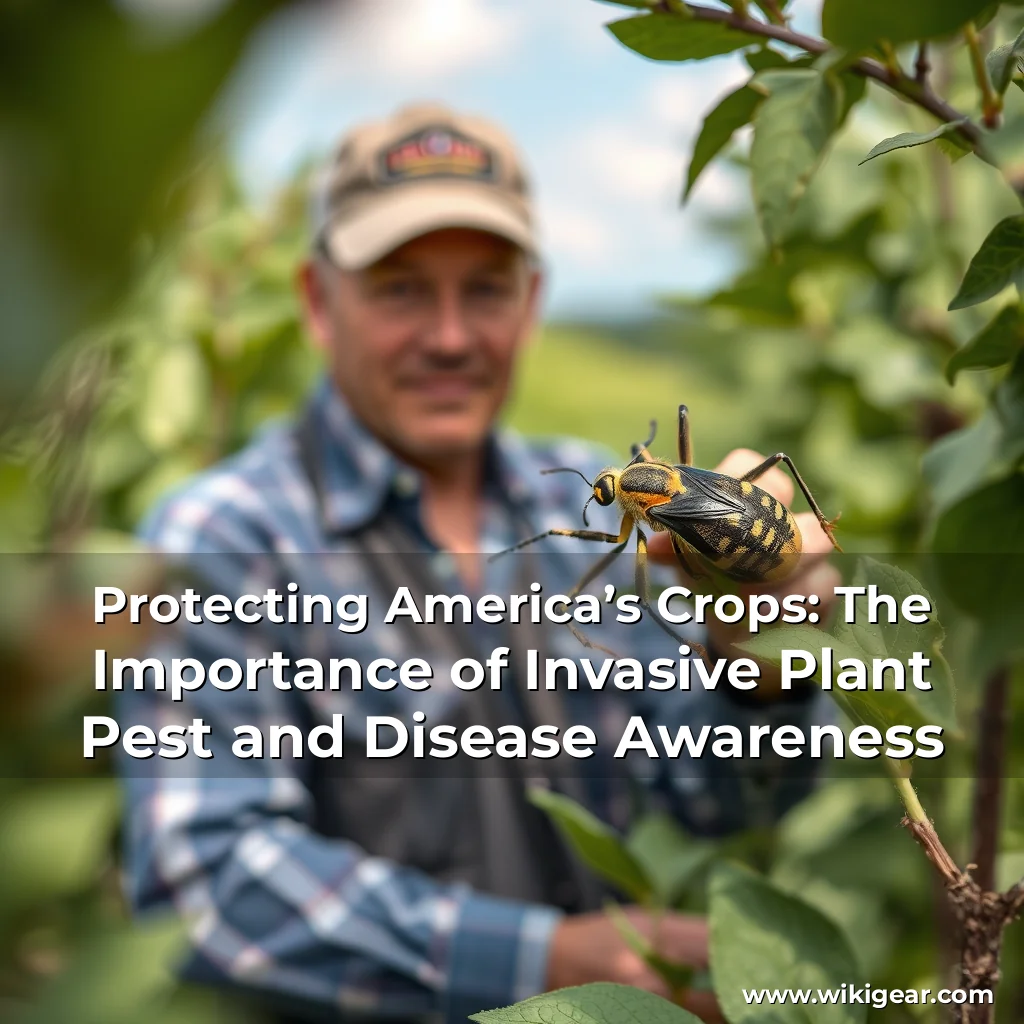
What are Invasive Pests and How Can They Threaten Our Crops?
Invasive pests pose a significant threat to our country’s agricultural productivity and economic stability. These pests can enter our country through various means, including on everyday items like outdoor gear, vehicles, and agricultural products. Once inside, they can spread rapidly, causing irreparable damage to our crops and ecosystems. The USDA has identified four key strategies to combat these pests:
•
- Stay Informed: Learn about local quarantines and how to protect your crops from invasive pests.
- Inspect and Clean: Regularly inspect your gear, vehicles, and outdoor furniture for signs of invasive pests.
- Source Domestically and Shop Smart: Choose locally sourced wood and agricultural products to reduce the risk of invasive pests.
- Report and Declare: Inform your local authorities of any signs of invasive pests and declare all agricultural items upon returning from overseas travel.
The Importance of Citizen-Driven Strategies
Citizen-driven strategies are the key to protecting our crops. These strategies are cost-efficient and can be implemented by anyone. The USDA has recognized the importance of citizen-driven strategies in its awareness campaign. By working together, we can protect our crops and ensure a healthy food supply. “Agriculture is the cornerstone of our national prosperity, and every American plays a vital role in its protection,” said Agriculture Secretary Brooke Rollins. “When we work together, whether by cleaning outdoor gear or staying informed about invasive threats, we are investing in the health and abundance of our crops and the future of our food system.”
The Consequences of Invasive Pests
Invasive pests can have devastating consequences on our crops and ecosystems. They can disrupt local ecosystems, threaten crop productivity, and impact the economic strength of our farming communities. The loss of crop productivity can lead to food shortages and economic instability. Examples of invasive pests include:
•
- Emerald Ash Borer: A beetle that feeds on ash trees, causing significant damage to the trees and disrupting local ecosystems.
- Brown Marmorated Stink Bug: A pest that feeds on a wide range of crops, causing significant economic losses to farmers.
- Hemlock Woolly Adelgid: A pest that feeds on hemlock trees, causing significant damage to the trees and disrupting local ecosystems.
Examples of Citizen-Driven Strategies
There are many examples of citizen-driven strategies that can help protect our crops. Here are a few examples:
•
- Volunteer monitoring programs: Many organizations, such as the USDA, offer volunteer monitoring programs to help detect invasive pests early.
- Community garden initiatives: Community garden initiatives can help promote sustainable agriculture practices and reduce the risk of invasive pests.
- Public awareness campaigns: Public awareness campaigns can help educate citizens about the risks of invasive pests and the importance of taking action.
The Role of Government Support
While citizen-driven strategies are important, government support is also crucial in protecting our crops. The USDA provides various resources and tools to help citizens protect their crops. These resources include:
•
- Quarantine information: The USDA provides information on local quarantines and how to protect your crops from invasive pests.
- Agricultural regulations: The USDA provides information on agricultural regulations and how to comply with them.
- Resources for invasive pests: The USDA provides resources and information on invasive pests and how to manage them.
Conclusion
In conclusion, protecting our crops is a collective effort that requires the involvement of citizens, government, and industry. The USDA has identified four key strategies to combat invasive pests: stay informed, inspect and clean, source domestically and shop smart, and report and declare. By implementing these strategies, we can help protect our crops and ensure the future of our food system.
Resources
•
| USDA Website | www.usda.gov |
| HungryPests.com | www.hungrypests.com |
| State Department of Agriculture | State-specific information and resources |
Quoted Section
“ “Agriculture is the cornerstone of our national prosperity, and every American plays a vital role in its protection,” said Agriculture Secretary Brooke Rollins. “When we work together, whether by cleaning outdoor gear or staying informed about invasive threats, we are investing in the health and abundance of our crops and the future of our food system.”” – Agriculture Secretary Brooke Rollins
Key Points
•
- Protecting our crops is a collective effort that requires the involvement of citizens, government, and industry.
- Stay informed about local quarantines and how to protect your crops from invasive pests.
- Inspect and clean your gear, vehicles, and outdoor furniture regularly to reduce the spread of invasive pests.
- Source domestically and shop smart to reduce the risk of invasive pests.
- Report and declare all agricultural items upon returning from overseas travel to protect U.S.