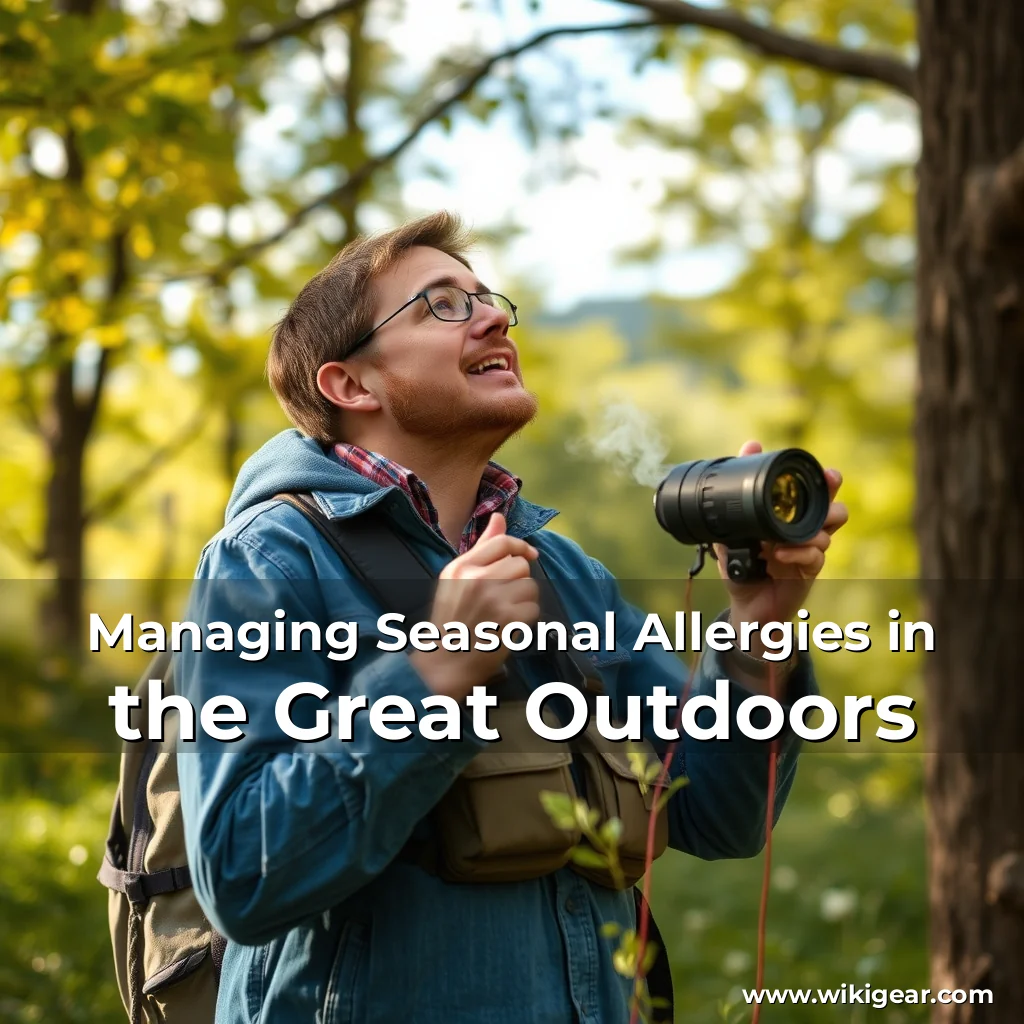
Hiking with Hay Fever: How to Enjoy Spring Adventures with Allergies
- Understanding your triggers and planning ahead can help minimize exposure to pollen and other allergens.
- Research your destination and check the local forecast for pollen counts to plan your activities accordingly.
- Choose trails with less vegetation, especially avoiding grassy or weedy areas.
As the snow melts and trails reopen, spring invites us outside—but for many outdoor enthusiasts, it also brings sneezing fits, itchy eyes, and congestion. Seasonal allergies can make hiking, camping, and paddling feel miserable, but with the right strategies, they don’t have to. Understanding Seasonal Allergies
Each spring, the air fills with allergens and airborne irritants. Pollen is a major culprit, along with mold spores. Hay fever, or seasonal allergic rhinitis, occurs when the immune system overreacts to these airborne triggers. If you find yourself suffering from symptoms such as sneezing, nasal congestion, itchy eyes, and a runny nose, it’s essential to consult your doctor and consider testing by an allergist. Pollen counts can vary significantly from region to region, with some areas experiencing higher levels than others. In Canada, for example, tree pollen is a major offender, with some regions seeing activity as early as late winter. Birch trees are particularly notorious, but oak, maple, elm, cedar, poplar, and ash can also cause significant discomfort. Grass pollen peaks later in spring and summer, but can start triggering symptoms as early as April. Common allergenic grasses include timothy grass, Kentucky bluegrass, Bermuda grass, and ryegrass. Besides pollen, mold spores, often lingering from last year’s fallen leaves, thrive in damp areas exposed by melting snow and spring rain. The wind can easily carry these spores, turning outdoor air into a trigger for some. Prevention and Management
When the Great Outdoors calls, plan ahead. Having a management strategy is key to navigating seasonal allergies while still enjoying the outdoors. First, research your destination and check the local forecast for pollen counts. This will help you avoid peak times and minimize exposure. Typically, counts are worse in the mornings (between 5 a.m. and 10 a.m.), so plan for the afternoon instead. If pollen is a major trigger, consider timing your activities during or after rainfall, when counts tend to be lower. Choose trails with less vegetation, especially avoiding grassy or weedy areas. This will reduce your exposure to pollen and other allergens. Personal Precautions
Taking personal precautions can make a significant difference in managing seasonal allergies. Before heading out, consider taking a non-drowsy, over-the-counter antihistamine to help keep symptoms at bay. Consult with your doctor or allergist to determine which medications are right for you. Wearing a bandana or neck gaiter over your nose can reduce pollen inhalation, while an N95 mask with a pollen filter can significantly reduce exposure. If you’re hiking or doing yard work in areas with airborne irritants, these masks prove incredibly effective. Clothing and Gear
Allergy-friendly gear and clothing can make a big difference in managing seasonal allergies. Wear lightweight, long-sleeved shirts and full-length pants to shield your skin from pollen while keeping you cool. Opt for moisture-wicking fabrics for added comfort. Wear a wide-brimmed hat or cap to keep pollen out of your hair, and sunglasses or goggles to shield your eyes from airborne allergens. For extra protection, consider wearing gloves when handling gear or plants. If you’re hiking in the rain, be sure to wear waterproof gear. Post-Hike Care
Following your time outside, it’s essential to shower or change your clothes immediately. This reduces pollen exposure and prevents allergens from getting into your tent, vehicle, or house. Drinking plenty of water can help flush allergens from your system and reduce irritation. Use facial cleansers like Cetaphil’s Gentle Skin Cleanser, which is dermatologist-approved for sensitive skin, to further wash away any pollen residue. By taking the right precautions, using proper gear, and planning ahead, you can make the most of spring without letting allergies hold you back. The beauty and renewal of this season are well worth the effort, and with the right strategies, you can enjoy the outdoors while managing your seasonal allergies.
Additional Tips for Managing Seasonal Allergies
Common Allergenic Plants
- Birch trees
- Oak, maple, elm, cedar, poplar, and ash trees
- Timothy grass, Kentucky bluegrass, Bermuda grass, and ryegrass
By being aware of your triggers and taking the right precautions, you can enjoy the great outdoors without letting seasonal allergies hold you back. Remember to stay hydrated, avoid touching your face, and wash your hands frequently to prevent the spread of allergens. With a little planning and preparation, you can make the most of spring and enjoy the beauty and renewal of this season.
Conclusion
Managing seasonal allergies in the great outdoors requires a combination of planning, preparation, and the right strategies. By understanding your triggers, taking personal precautions, and using allergy-friendly gear and clothing, you can enjoy the beauty of spring without letting allergies hold you back. So, grab your gear, lace up your boots, and head outside – the fresh air and scenery are worth it!