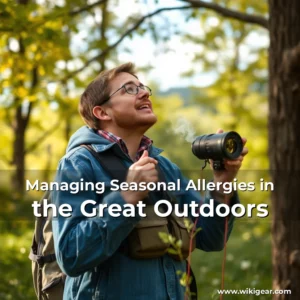
Understanding Seasonal Allergies
As the snow melts and trails reopen, spring invites us outside—but for many outdoor lovers, it also brings sneezing fits, itchy eyes and congestion. Seasonal allergies can make hiking, camping and paddling feel miserable, but with the right strategies, they don’t have to. Before we dive into the nitty-gritty, it’s essential to understand what’s going on. Pollen is a major culprit, along with mold spores. Hay fever, or seasonal allergic rhinitis, occurs when the immune system overreacts to these airborne triggers. Understanding your allergies is the first step toward overcoming them.
- Pollen counts can vary significantly depending on the location, time of year, and weather conditions.
- Tree pollen is usually the biggest offender in spring, with some regions experiencing activity as early as late winter.
- Grass pollen peaks later in spring and summer but can start triggering symptoms as early as April.
- Mold spores, often lingering from last year’s fallen leaves, thrive in damp areas exposed by melting snow and spring rain.
These invisible irritants are hard to escape, especially during exercise, which increases your breathing rate and exposes you to more allergens. By understanding your triggers and timing your outdoor activities accordingly, you can minimize exposure and enjoy the great outdoors.
Pollution Forecasting and Planning
Checking local forecasts is crucial in managing seasonal allergies. A good pollen calendar or website can provide valuable insights into pollen levels. Here are some popular resources:
- Kleenex’s pollen calendar provides a general guide to pollen levels by season.
- Aerobiology Research offers location-specific forecasts.
- The Weather Network’s allergy tracker provides real-time pollen levels and forecasts.
By researching your destination and checking the local forecast, you can plan your outdoor activities around peak pollen times. This can help minimize exposure and reduce symptoms.
Prevention and Management
When the great outdoors calls, plan ahead. Here are some effective tips to help you manage seasonal allergies:
- Raise your hand before touching plants or surfaces that may be contaminated with pollen.
- Use saline spray or eye drops to soothe irritated eyes.
- Consult your doctor or allergist to determine the best medication for you.
- Wear protective gear, such as a bandana or N95 mask, to reduce pollen inhalation.
Gear and Clothing Tips
When it comes to allergy-friendly gear, there are several options to consider:
| Mask | N95 mask with pollen filter | Cover your nose and mouth with a cloth or bandana | |
| Clothing | Lightweight, long-sleeved shirts and full-length pants | Moisture-wicking fabrics for added comfort | |
| Accessories | Wide-brimmed hat or cap for hair protection | Sunglasses or goggles for eye protection | Waterproof gear for rain |
By incorporating these tips into your hiking routine, you can reduce your exposure to pollen and minimize symptoms.
Post-Hike Care
Following your time outside, it’s essential to take care of yourself. Here are some tips to help you recover:
- Shower or change your clothes immediately to reduce pollen exposure.
- Use facial cleansers to wash away pollen residue.
- Drink plenty of water to flush allergens from your system.
- Avoid touching your face or eyes while outdoors.
By following these tips, you can make the most of spring adventures without letting allergies hold you back. With the right strategies and gear, you can enjoy the great outdoors and reap the rewards of spending time in nature.

news is a contributor at WikiGear. We are committed to providing well-researched, accurate, and valuable content to our readers.